
Maintaining good pelvic health is essential to your quality of life
Maintaining good pelvic health is essential to your quality of life and can be a key factor in preventing or improving various types of pain or dysfunction in your body. Alleviating pelvic floor dysfunction can help you maintain your independence and stay active in the community.
MTI Physical Therapy offers two options for patients to access excellent pelvic health physical therapy in Seattle and Bellevue, WA:
- Pelvic Health & Performance Center (PHPC): MTI’s Pelvic Health and Performance Center is a dedicated pelvic health clinic located on the second floor of our Bellevue, WA location. This is an out-of-network, self-pay clinic that provides pelvic physical therapy for all ages and genders. Since the providers at the PHPC do not contract with insurance companies, they have more flexibility to spend more time with patients. Call 425.577.6597 for more information or schedule an appointment online with one of our highly trained pelvic health physical therapists.
- In-network Pelvic Health Physical Therapy: MTI also offers in-network pelvic health physical therapy at our Fremont and Magnolia clinics in Seattle, WA. We have physical therapists in each of these locations, who have additional training in pelvic physical therapy. Contact our Fremont clinic at 206.548.1522 or our Magnolia clinic at 206.281.7970 to schedule an appointment.
Physical therapy can address many issues in the pelvic region. Our pelvic health physical therapists have advanced training so that they can assess, treat and prescribe therapeutic exercises to patients with pelvic pain, dysfunction or discomfort.
what is pelvic floor physical therapy in seattle & bellevue, wa?

Pelvic pain and dysfunction is a common yet often misunderstood issue affecting both men and women of all ages. Pelvic floor physical therapy in Seattle and Bellevue, WA, is a treatment that improves the strength and function of the pelvic floor muscles within the entire body system. A trained physical therapist can teach you exercises to strengthen, relax, and coordinate the pelvic floor muscles. Pelvic Floor PT can also involve other techniques, such as: manual therapy, biofeedback, electrical stimulation, behavioral education, posture education, progressive strength training and lifestyle management.
According to research, pelvic floor physical therapy is a highly effective treatment that significantly improves 70-80% of patients experiencing pelvic floor disorders. By employing a comprehensive approach to pelvic health, our physical therapists at MTI Physical Therapy work closely with you to create a tailored treatment plan that addresses your unique needs and goals.
Whether your pain is new or decades old, a result of your lifestyle, previous injury, or any stage of pregnancy or postpartum recovery, you are not alone. We strive to provide you with the care and support that we would want for ourselves, in a supportive environment that empowers you to reach your unique goals.
At MTI Physical Therapy, our expert physical therapists in Seattle and Bellevue, WA, at our Pelvic Health & Performance Center, Fremont and Magnolia clinics are dedicated to helping you embrace a symptom-free future using evidence-based pelvic physical therapy techniques. Take control of your pelvic health today by choosing MTI Physical Therapy for your physical therapy needs. Contact us today to schedule an appointment!
how physical therapy helps resolve pelvic pain
At MTI Physical Therapy, we’ll start with a comprehensive exam, including a full health history and review of your symptoms. We strive to get to the root of your pelvic floor issues so that we can find a solution that works for you.
A few of the evidence-based techniques that may be used in your treatment plan include:
- Education: Patients may need to learn more about their pelvic anatomy and how different components work alone and together within the entire body system. They may also need to learn how habits or hygiene affect their symptoms.
- Pelvic floor exercises: Patients will learn how their breathing mechanics, posture, and nervous system can influence their pelvic floor. Specific exercises can help relax tight muscles, strengthen weak ones, and improve mobility.
- Pelvic Floor Manual Therapy: The pelvic floor is made up of 14 individual muscles that must work together Your physical therapist may use massage, joint mobilization, and breathwork to help with pelvic floor muscle relaxation and coordination. Additional techniques can be used to improve posture, blood circulation, and overall mobility of your pelvis, hips and spine.
- Pelvic floor biofeedback: Biofeedback is a technique that can help patients “see,” “hear,” or “feel” how the pelvic floor muscles are working. To do this, sensors are used at the vaginal or anal muscles and results can be displayed on a computer screen. Alternatively, verbal cues from the therapist may be combined with internal palpation of the symptomatic areas to help with relaxation, contraction, and awareness of the pelvic floor muscles.
- Bladder Training: If you’re struggling with urinary incontinence, bladder retraining can help you go longer between bathroom breaks.
- Electrical stimulation: Transcutaneous tibial nerve stimulation (TTNS) is a low voltage electrical current that can be used to stimulate the tibial nerve to help manage overactive bladder.
- Dilators: These plastic or silicone devices can help expand, stretch, and relax pelvic floor muscles to relieve symptoms of vaginismus (painful intercourse or medical exams), levator ani syndrome, and pain after pelvic surgeries or radiation treatments.
Many people are not aware that manual therapy and exercises are available to combat common bladder and bowel issues in people of all genders. Our patients benefit from education, joint/visceral mobilization, breathing techniques, and progressive strengthening, as opposed to a less comprehensive plan of care that may only include medications and/or other more invasive treatments. Our pelvic physical therapists are here to help you effectively manage your concerns and keep you active, in collaboration with your other healthcare providers.
No matter the source of your pelvic floor discomfort, the team of physical therapists at MTI Physical Therapy will work closely with you to find the right solutions for your needs. Our scientifically-backed, evidence-based approach will help you get the relief you’re looking for!
Pelvic pain can significantly impact your quality of life–but dedicated pelvic floor physical therapy in Seattle and Bellevue, WA will help you feel your best. Request your first appointment today!
what are some of the common sources of pelvic pain?
Your pelvic floor is a “sling” of muscles at the base of your core that support your bowels, bladder, prostate (in men), and sexual organs (in women). When these muscles are impaired, it can lead to several types of painful pelvic floor dysfunctions.
Our team of physical therapists can help you identify the source of your pelvic pain,allowing you to receive the best possible treatment for your needs. Here are some of the more common sources of pelvic pain and their accompanying symptoms:
Endometriosis
This chronic gynecological disease occurs when uterine-like tissue grows outside the uterus. It can lead to extremely heavy or painful periods, mood changes, and painful intercourse.
Prostatitis
This condition occurs when the prostate becomes inflamed, leading to pain throughout the pelvic area, including the genitals, lower abdomen, and lower back.
Pudendal Neuralgia
This chronic pain condition occurs due to damage to the pudendal nerve, which runs throughout the lower buttocks, the area around the anus and rectum, and the genitals. The most common symptom is pain, numbness, or tingling in the affected area, which is most acute when sitting.
Urinary Incontinence
Although this condition isn’t necessarily painful, it can result from weakened or poorly coordinated pelvic floor muscles and often indicates underlying pelvic floor dysfunction.
Bowel Dysfunction
Bowel dysfunction is a term that describes a range of issues related to the inability to control bowel movements. It can include problems with the frequency and consistency of bowel movements, as well as other symptoms.
Sexual Dysfunction
Sexual dysfunction, including painful intercourse or erectile dysfunction, can sometimes stem from pelvic floor impairments.
HAVE YOU EXPERIENCED ANY OF THE CONDITIONS OR SITUATIONS DESCRIBED BELOW?
If so, you might benefit from a pelvic health assessment
YOU LEAK (OR URINATE) A LITTLE WHEN YOU RUN, LIFT WEIGHTS, OR LAUGH
You don’t need to tolerate a leaking bladder when you run, jump, lift weights, cough, sneeze, yell or laugh. Increased abdominal pressure places stress on your bladder, which can lead to leakage or stress incontinence. There can be a loss of support from pelvic floor musculature and connective tissue; this loss of support can originate from connective tissue disorders, chronic cough, obesity, pelvic floor trauma after vaginal delivery, pregnancy, menopause, constipation, heavy lifting, smoking, and faulty movement patterns. Stress incontinence can occur in adolescents, athletes of all ages, and in people of all ages throughout their lifespan. People can experience leaking with activity for various reasons, but this doesn’t have to be your new normal!
YOU HAVE GIVEN BIRTH, OR ARE PREPARING FOR CHILDBIRTH
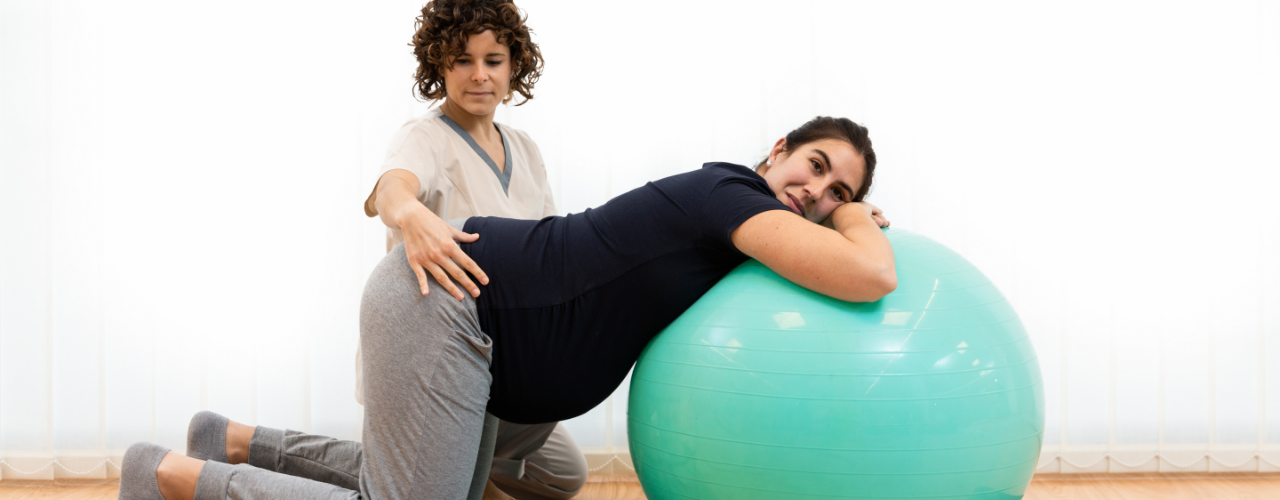
Strengthening the muscles around the pelvis (hips, pelvic floor, lumbar spine) can significantly improve your prenatal experience. A physical therapist trained in pelvic health can help you address concerns throughout your pregnancy, such as back pain, neuropathy, and uncomfortable swelling in the legs and feet. After your child arrives, we can reassess the function of your pelvic floor muscles and create a plan of care designed to help you achieve your goals. If a diastasis rectus (partial or complete separation of the abdominal muscles) persists after giving birth, we will show you safe and progressive exercises to strengthen the abdominal wall.
Keep pelvic physical therapy in mind as part of your prenatal and postpartum care plan to minimize the common issues that people face as a result of their changing bodies in pregnancy.
PERSISTENT BACK AND/OR PELVIC PAIN
More traditional back/pelvic pain treatments seldom address pelvic floor issues. Proper assessment of your pelvic floor and a customized exercise program can help resolve your nagging back/pelvic pain for good!
what we can treat
Pelvic physical therapy in Seattle and Bellevue, WA can help with a myriad of symptoms stemming from:
- Urinary and fecal incontinence
- Change in frequency and urgency to urinate (keeping track of every neighborhood bathroom location available during your daily routines).
- Incontinence with physical stresses (cough, sneeze, sudden physical movement)
- Poor stool development (chronic diarrhea and constipation)
- Painful intercourse
- Sexual dysfunction
- Painful/premature ejaculation
- Erectile dysfunction
- Menstrual dysfunction
- Myofascial pelvic pain
- SIJ, lumbar, or tailbone pain related to increased or decreased pelvic floor tone
- Perimenopausal and menopausal concerns
- Pelvic venous disorders (PeVD)
- Gender affirming surgery
Possible reasons for changes in bladder control:
- Muscle weakness of the pelvic floor and/or associated lower abdominal wall muscles
- Muscle tightness or reflexive tightening of pelvic floor muscles
- Pelvic organ prolapse
- Changes in nerve function
- Joint dysfunction in the sacrum, hip and low back
- Postural dysfunction
- Breathing dysfunction
- Abnormal walking mechanics
At MTI Physical Therapy, we provide a discreet, supportive environment where you can freely share your symptoms–allowing our physical therapists to get to the root of your pelvic floor issues so we can find a solution that works.

Make an appointment at our Pelvic Health & Performance Center in Seattle and Bellevue, WA at our Pelvic Health & Performance Center, or our Fremont or Magnolia physical therapy clinics to get started!
Our pelvic health team
Pelvic Health & Performance Center in Bellevue, WA (self-pay only):


Julie Baron
PT, DPT, CSCS, PCES
Director – Pelvic Health & Performance Center

Call: 425.577.6597
Email: phpc@mtipt.com
in-network pelvic health physical therapists:
Magnolia Clinic in Seattle, WA:

Call: 206.281.7970
Email: magnolia@mtipt.com
Fremont Clinic in Seattle, WA:

Kirsten Eivers
PT, DPT, OMT, FAAOMPT
Fremont Clinic Manager
Call: 206.548.1522
Email: fremont@mtipt.com
frequently asked questions
Where can I find pelvic floor physical therapy in Seattle or Bellevue, WA?
MTI Physical Therapy offers expert pelvic floor physical therapy in both Seattle and Bellevue, WA. Patients can choose between in-network care at our Fremont and Magnolia clinics in Seattle, or specialized one-on-one care at our Pelvic Health & Performance Center in Bellevue. If you’re searching for “pelvic floor therapy near me” or “pelvic health physical therapy Seattle,” MTI provides flexible options to match your needs, insurance preferences, and level of care.
What conditions can pelvic health physical therapy treat?
Pelvic health physical therapy can help treat a wide range of conditions, including pelvic pain, urinary or fecal incontinence, pelvic organ prolapse, low back and hip pain, and discomfort related to pregnancy or postpartum recovery. Because the pelvic region plays a central role in movement and stability, addressing dysfunction can improve not only your symptoms but also your overall mobility, strength, and quality of life.
What is the difference between the Pelvic Health & Performance Center and in-network pelvic therapy?
MTI’s Pelvic Health & Performance Center in Bellevue offers a highly specialized, out-of-network, self-pay experience with extended one-on-one sessions and a more comprehensive, individualized approach. In contrast, our in-network pelvic health physical therapy services in Seattle (Fremont and Magnolia) provide excellent care within your insurance plan. Both options are delivered by therapists with advanced pelvic health training, allowing you to choose the setting that best fits your goals, schedule, and preferences.