Effective Physical Therapy for Whiplash
FIND FAST PAIN RELIEF AND RECOVER FASTER AFTER A CAR ACCIDENT OR NECK INJURY
A whiplash injury from a car accident, rear-end collision, or sports-related trauma can turn your world upside down in an instant. What may have started as a motor vehicle accident or sudden neck hyperextension injury can quickly become chronic neck pain, upper back pain, cervicogenic headaches, reduced range of motion, dizziness, and muscle stiffness.
But whiplash symptoms are not just physical. Many people experience post-concussion–like symptoms, including brain fog, fatigue, mood changes, irritability, anxiety, and even depression following a neck soft tissue injury.
If you’re feeling overwhelmed, exhausted, or “not like yourself,” you are not alone — and your symptoms are real.
At MTI Physical Therapy, we specialize in evidence-based physical therapy for whiplash and auto accident injuries. Our comprehensive approach supports your neck pain relief, spinal mobility restoration, nervous system regulation, and full functional recovery, so you can safely return to work, driving, exercise, and daily life.
Early physical therapy intervention after whiplash significantly improves outcomes. The sooner treatment begins, the better we can reduce inflammation, decrease pain, restore cervical mobility, and prevent chronic pain syndromes or long-term complications.

understanding whiplash injury treatment and rehabilitation
FOCUSED ON NECK PAIN RELIEF, MOBILITY RESTORATION, AND FULL RECOVERY
Every whiplash-associated disorder (WAD) presents differently. Some people experience sharp neck pain and stiffness. Others struggle more with headaches, dizziness, balance problems, difficulty concentrating, sleep disturbances, or persistent fatigue after a car accident.
That’s why your care begins with a thorough, comprehensive physical therapy evaluation for whiplash injury. We carefully listen to your story — how the accident occurred, what symptoms you’re experiencing, and how they are affecting your work, sleep, and quality of life. From there, we develop a personalized whiplash rehabilitation program tailored to your goals.
Here’s what you can expect:
Manual Therapy for Pain Management and Improved Mobility:
Gentle, hands-on orthopedic manual therapy helps calm irritated tissues, reduce muscle guarding, and restore normal joint mechanics in the cervical and thoracic spine.
Your treatment may include:
- Cervical and thoracic joint mobilization to improve spinal mobility and reduce stiffness
- Soft tissue mobilization and therapeutic massage to decrease muscle tension and pain
- Myofascial release therapy to improve circulation and tissue flexibility
- Treatment for cervicogenic headaches and TMJ-related jaw pain
These interventions are designed not only for pain relief, but also to help regulate the central nervous system, which may improve sleep quality, reduce brain fog, and decrease overall stress response.
Corrective exercise therapy for whiplash rehabilitation:
Your physical therapist will design a customized therapeutic exercise program for whiplash recovery. This program may include:
Feeling stiff? Range of motion exercises:
Gentle, guided cervical and thoracic mobility exercises to restore movement, reduce stiffness, and improve flexibility.
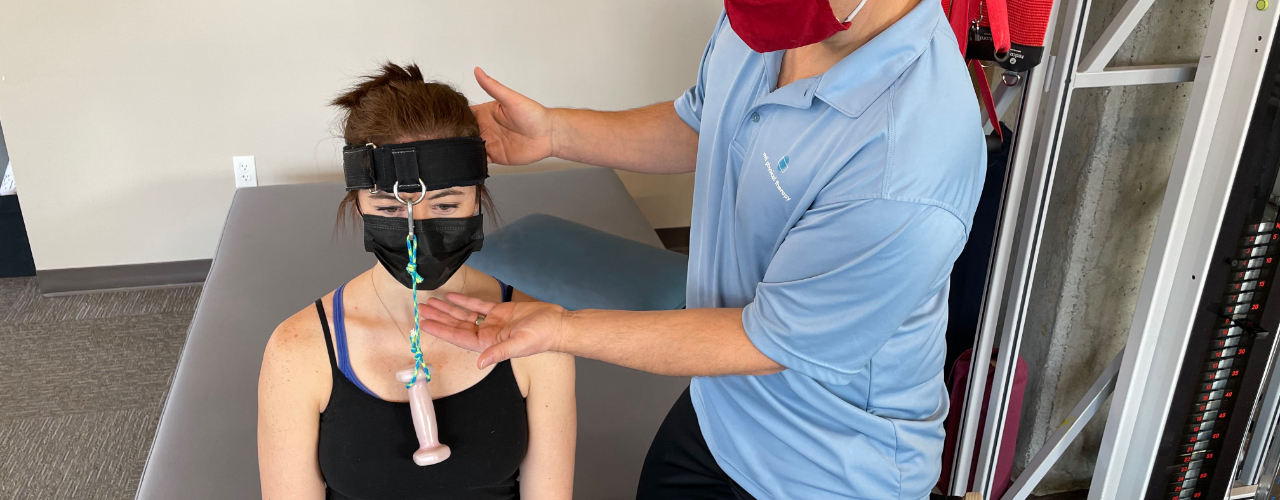
Feeling like a bobble head? Deep neck stabilization training:
Targeted deep cervical flexor strengthening and neuromuscular re-education exercises to improve spinal stability, reduce pain, and enhance coordination between the cervical and lumbar spine.
Need to get back to work or sport? Progressive strengthening and functional training:
Whole-spine and postural strengthening exercises designed to improve muscular support, enhance endurance, and restore functional performance for daily activities, athletics, and job demands.
Addressing Brain Fog, Fatigue, and Mood Changes after Whiplash
Whiplash can disrupt the autonomic nervous system and vestibular system, contributing to:
- Poor sleep
- Difficulty concentrating
- Slower processing speed
- Increased irritability
- Emotional instability
- Persistent fatigue
Our comprehensive whiplash rehabilitation program includes nervous system regulation strategies such as:
- Graded activity progression
- Education on symptom management
- Guided return-to-work and return-to-driving plans
- Vestibular therapy referral when appropriate
When necessary, we collaborate with physicians and specialists to ensure integrated, multidisciplinary care after motor vehicle accidents.
Your recovery is not just about moving better — it’s about restoring cognitive clarity, emotional stability, and energy levels.
Patient education for long-term recovery and injury prevention
Not sure what’s happening in your body after the accident?
We provide detailed education about:
- Whiplash injury mechanisms and healing timelines
- Evidence-based pain management strategies
- Proper posture and workplace ergonomics
- Safe return-to-work guidelines after car accident injuries
- Activity pacing to prevent flare-ups
Understanding your injury reduces fear, builds confidence, and supports long-term healing. Education is one of the most powerful tools in preventing chronic neck pain after whiplash.
Working Together for a Faster Recovery
Healing after a car accident neck injury is a process — and you do not have to navigate it alone.
Our physical therapists coordinate with your physicians, attorneys (when appropriate), and other healthcare providers to ensure seamless, comprehensive post-accident rehabilitation care. We provide clear recommendations to modify daily tasks while keeping you active and progressing safely.
By combining:
- Hands-on manual therapy for whiplash pain relief
- Progressive corrective exercise therapy
- Nervous system and vestibular rehabilitation strategies
- Patient education and injury prevention guidance
We help you reduce neck pain, restore spinal mobility, improve cognitive clarity, and rebuild strength and confidence after whiplash.
Our goal is not just symptom relief — it’s helping you return to your life feeling strong, steady, and fully supported every step of the way.
Schedule an Appointment Today!
Don’t hesitate to contact our specialists in Bellevue, Edmonds, Fremont, First Hill, Magnolia or Issaquah to schedule an initial evaluation and get started on a personalized treatment program. With the right approach, you can experience faster recovery and get back to living a pain-free and active life!
Frequently asked questions:
How soon should I see physical therapy after a car accident?
Many patients benefit from a physical therapy evaluation within the first week after a car accident if neck pain, stiffness, or headaches persist. Early rehabilitation helps restore cervical mobility, reduce muscle guarding, and prevent chronic whiplash symptoms from developing.
Whiplash symptoms often appear 24–72 hours after the collision, which is why many people notice worsening pain several days later. Early evaluation allows a physical therapist to assess joint mobility, muscular function, and posture before symptoms become more persistent.
Can whiplash heal without treatment?
Some mild cases of whiplash improve naturally within a few weeks, especially when patients stay gently active and avoid prolonged rest. However, untreated whiplash can sometimes lead to chronic neck pain, headaches, and reduced cervical mobility.
Physical therapy helps restore normal movement patterns, strengthen the stabilizing muscles of the neck, and reduce stress on injured tissues, which may decrease the likelihood of persistent symptoms.
How long does whiplash physical therapy take?
Most patients improve with physical therapy within 4–12 weeks, depending on the severity of the injury and how soon treatment begins. Mild whiplash injuries may recover faster, while moderate cases may require longer rehabilitation.
Treatment often includes manual therapy, mobility exercises, posture correction, and strengthening of the deep cervical stabilizing muscles to support long-term recovery.
What are the most common symptoms of whiplash?
The most common symptoms of whiplash include neck pain, stiffness, headaches at the base of the skull, reduced range of motion, and shoulder or upper back tightness. Some patients may also experience dizziness, fatigue, or difficulty concentrating.
These symptoms may appear immediately or develop within several days after a car accident as inflammation and muscle guarding increase in the cervical spine.
When should I see a doctor for whiplash symptoms?
You should seek medical evaluation if you experience severe neck pain, numbness or tingling in the arms, muscle weakness, worsening headaches, or difficulty with balance after a car accident. These symptoms may indicate nerve involvement or a more serious injury.
For many mild to moderate cases, a physical therapist can perform an evaluation and recommend appropriate rehabilitation.
How do I know if my neck pain is whiplash?
Neck pain that begins after a car accident and is accompanied by stiffness, headaches, reduced neck mobility, or shoulder tightness may indicate whiplash. These symptoms are often caused by rapid forward and backward movement of the head during the collision.
Because symptoms are frequently delayed, many people notice whiplash pain one to three days after the accident.
What should I avoid doing after a whiplash injury?
After a whiplash injury, it is best to avoid prolonged bed rest, heavy lifting, and sudden neck movements that increase pain. While short periods of rest may help immediately after injury, remaining inactive for too long can increase stiffness.
Gentle movement and guided rehabilitation exercises often help improve circulation, reduce muscle tension, and support recovery.
Can whiplash symptoms appear days after a car accident?
Yes, whiplash symptoms often appear 24–72 hours after a car accident. Adrenaline released during the collision may temporarily mask pain, and inflammation in injured tissues gradually develops over the following days.
As swelling and muscle guarding increase, patients may begin to experience neck stiffness, headaches, or reduced mobility several days after the crash.