
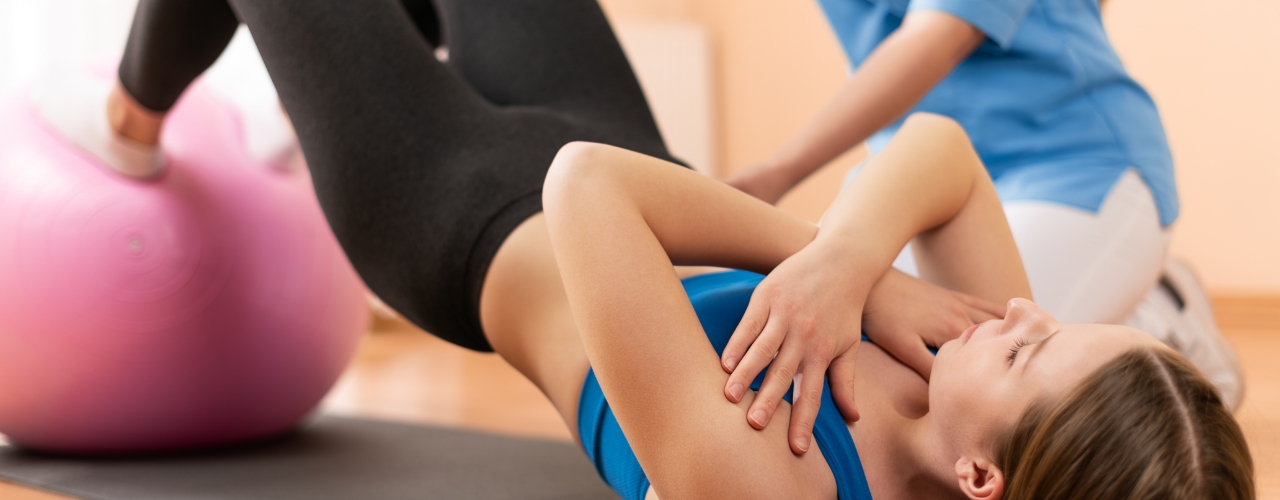
Maintaining good pelvic health is essential to quality of life and can be a key factor to preventing or improving various types of dysfunction in your body. Good pelvic health can also be essential to maintaining independence and activity in the community. MTI Physical Therapy offers two options for patients to access excellent pelvic health physical therapy care:
- Pelvic Health & Performance Center (PHPC): MTI’s Pelvic Health and Performance Center is a dedicated pelvic health clinic located on the second floor of our Bellevue, WA location. This is an out-of-network, self-pay clinic that provides pelvic health physical therapy for all ages and genders. Since the providers at the PHPC do not contract with insurance companies, they have more flexibility to spend more time with patients. Call 425.577.6597 for more information or schedule an appointment online with one of our highly trained pelvic health physical therapists.
- In-network Pelvic Health Physical Therapy: MTI also offers in-network pelvic health physical therapy at our Fremont and Magnolia clinics in Seattle, WA. We have physical therapists in each of these locations, who have additional training in Pelvic Health physical therapy. Contact our Fremont clinic at 206.548.1522 or our Magnolia clinic at 206.281.7970 to schedule an appointment.
Physical therapy can address many issues in the pelvic region, other than persistent pain. Our pelvic health physical therapists have advanced training so that they can assess, treat and prescribe therapeutic exercises to patients with pelvic pain, dysfunction or discomfort.
Have you experienced any of the conditions or situations described below? If so, you might benefit from a pelvic health assessment.
YOU LEAK (OR URINATE) A LITTLE WHEN YOU RUN, LIFT WEIGHTS, OR LAUGH
You don’t need to tolerate a leaking bladder when you run, jump, lift weights, cough, sneeze, yell or laugh. Increased abdominal pressure places stress on your bladder, which can lead to leakage or stress incontinence. There can be a loss of support from pelvic floor musculature and connective tissue; this loss of support can originate from connective tissue disorders, chronic cough, obesity, pelvic floor trauma after vaginal delivery, pregnancy, menopause, constipation, heavy lifting, and smoking. Stress incontinence is also common in adolescent athletes to elite athletes, as well as many others throughout the lifespan. It’s only chronic if you don’t address it. Many people experience leaking with activity for various reasons, but this doesn’t have to be your new normal.
YOU HAVE GIVEN BIRTH, OR ARE PREPARING FOR CHILDBIRTH
Strengthening, or maintaining strength of the pelvic floor can significantly improve your perinatal experience. A physical therapist trained in pelvic health can help you address concerns throughout your pregnancy, such as back pain, neuropathy, and uncomfortable swelling in the legs and feet. After your child arrives, we can reassess the tone of your pelvic floor muscles and create a plan of care designed to help you achieve optimum function. If a rectus diastasis (partial or complete separation of the rectus abdominis, or abdominal muscles, results during the birthing process and remains after birth, we will show you safe and progressive exercises for loading the tissues of the abdominal wall.
Keep physical therapy in mind as part of your antenatal and postnatal care plan to minimize the common issues that women face as a result of their changing bodies in pregnancy.
PERSISTENT BACK AND/OR PELVIC PAIN
More traditional persistent back pain treatments seldom address pelvic floor issues. Proper assessment of pelvic floor dysfunction leads to customized exercises to address your issues which refer to the lumbopelvic region.
WHAT WE CAN TREAT
Pelvic physical therapy can help with a myriad of conditions and symptoms caused by pelvic floor problems such as:
- Urinary and fecal incontinence
- Change in frequency and urgency to urinate (keeping track of every neighborhood bathroom location available during your daily routines).
- Incontinence with physical stresses (cough, sneeze, sudden physical movement)
- Poor stool development (chronic diarrhea and constipation)
- Painful intercourse
- Sexual dysfunction
- Painful/premature ejaculation
- Erectile dysfunction
- Menstrual dysfunction
- Myofascial pelvic pain
- SIJ, lumbar, or tailbone pain related to increased or decreased pelvic floor tone
POSSIBLE ORTHOPEDIC REASONS FOR CHANGES IN BLADDER CONTROL
- Muscle weakness of the pelvic floor and/or associated lower abdominal wall muscles; may be due to deconditioning or perinatal changes
- Muscle tightness or reflexive tightening of pelvic floor muscles
- Trigger points present in the perineum.
- Beginning stages of organ prolapse
- Changes in nerve function
- Joint dysfunction in the sacrum, hip and low back
- Postural dysfunction
- Breathing dysfunction
WHAT WE DO
Education
Patients may need to learn more about their pelvic anatomy and how different components work alone and together. They may also need to learn how habits or hygiene affect their symptoms.
Pelvic floor exercises
Patients are taught how to contract and relax pelvic floor muscles in relation to other muscles. They are also taught breathing and timing techniques to make the exercises more effective. Such exercises can relax tight muscles, strengthen weak ones, and improve flexibility.
Internal and External Manual therapy
A physical therapist may use hands-on massage, mobilization, and manipulation, to help with relaxation, posture, blood circulation, and joint mobility of the pelvis, hip and spine.
Pelvic floor biofeedback
Biofeedback are techniques that can help patients “see,” “hear,” or “feel” how the pelvic floor muscles are working. To do this, sensors are used at the vaginal or anal muscles and results can be displayed on a computer screen. Alternatively, manual cues from the therapist may be provided with internal palpation of the areas in combination with verbal cues provided for immediate relaxation or contraction of the pelvic region muscles.
Electrical stimulation
A low voltage electrical current may be used to teach patients how to coordinate their muscle contractions.
Dilators
These tube-shaped plastic devices can help people learn to relax their pelvic muscles to allow easier penetration. They also aid restoring tissue extensibility following pelvic surgeries or radiation treatment.
Many people are not aware that manual therapy and training exercises are available to combat common pelvic issues in people of all genders. Our patients have benefited from education, activity modification, joint mobilization/manipulation and exercise, as opposed to other treatments, which include medications and/or other more invasive treatments. Our physical therapists who work with pelvic floor and bladder control changes can help you effectively manage your concerns and keep you active.
Pelvic Health & Performance Center in Bellevue, WA (self-pay only)


Julie Baron
PT, DPT, CSCS, PCES
Director – Pelvic Health & Performance Center

Call: 425.577.6597

Fremont Clinic in Seattle, WA

Kirsten Eivers
PT, DPT, OMT, FAAOMPT
Fremont Clinic Manager
Call: 206.548.1522
Email: fremont@mtipt.com