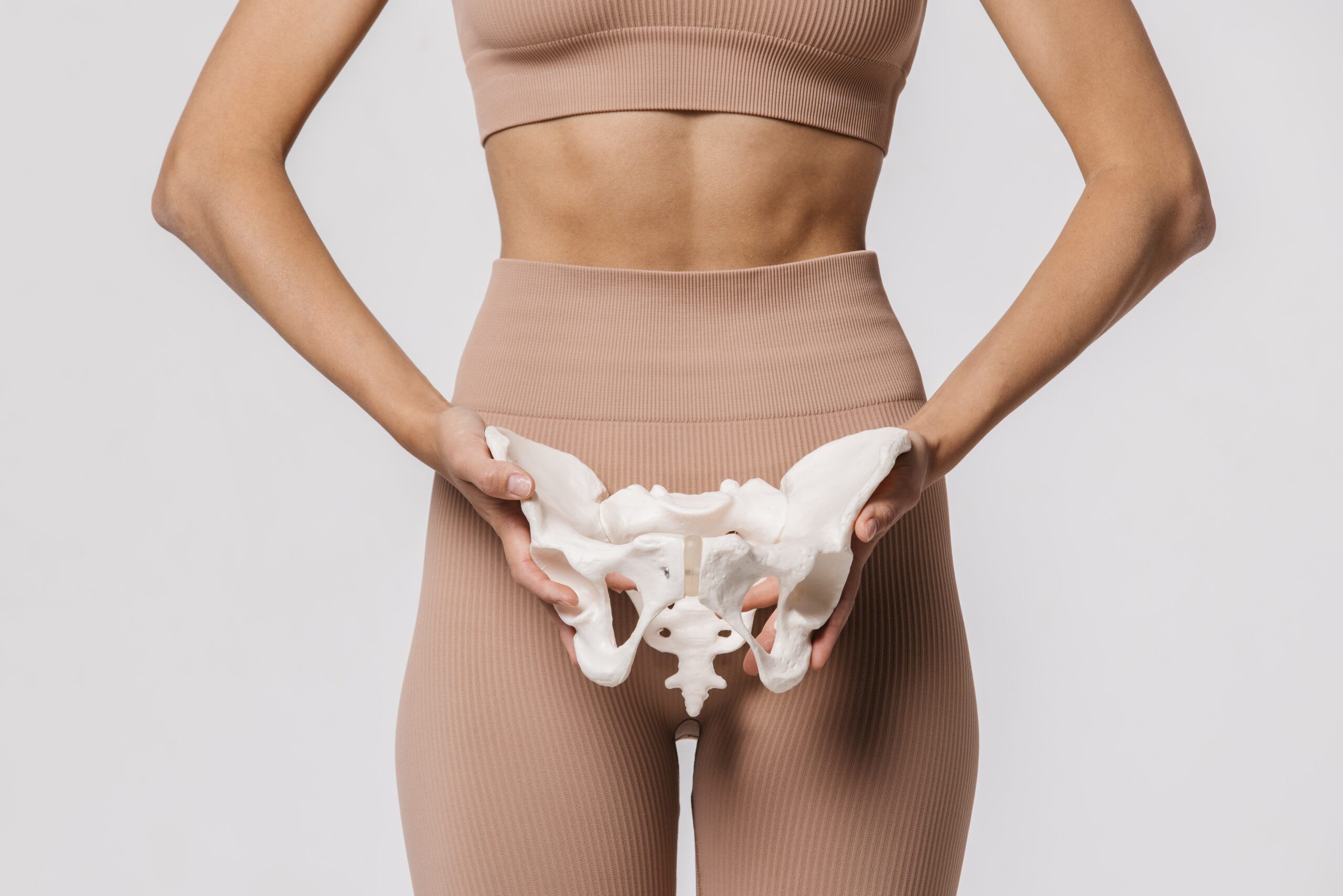
What a Healthy Pelvic Floor Feels Like: 5 Signs of Balance and Function

When the pelvic floor is balanced and strong, it supports your daily life without calling attention to itself. But when things go off track, the impact can range from mildly annoying to deeply distressing—even traumatic. That’s why knowing what “normal” feels like can be such a powerful tool.
Your pelvic floor is involved in urinary, bowel, sexual, and postural health. It’s also influenced by your cardiovascular system, diet, hormones, exercise, posture, stress, and trauma. Because this system is so dynamic—and changes across gender and throughout the lifespan—it can be hard to pin down what healthy function actually feels like.
So, what does a healthy pelvic floor feel like?
Here are five signs your pelvic floor is working well:
- Healthy Bladder Function:
- Urinating every 2-4 hours during the day
- Waking to urinate 0-2 times per night (expect closer to 0 if you are under 65)
- Feeling the urge to pee without experiencing leakage
- Pain-free, complete bladder emptying without straining or hesitancy
- No leaking when coughing, sneezing, laughing, or exercising
- Healthy Bowel Movements:
- Soft, well-formed stool (think soft-serve ice cream) ranging from 1-2 times a day, to every other day
- Bowel movements without straining, pain, or bleeding
- Ability to calmly reach the bathroom when the urge arises without experiencing leakage
- Controlled gas release without accidental stool leakage
- Comfortable Sexual Function:
- Pain-free penetrative intercourse (during and afterward)
- The ability to orgasm in a variety of ways without discomfort (there’s no right or wrong way to do this!)
- Sexual desire that naturally fluctuates with life’s changes
- Sexual pleasure that is consensual and fulfilling
- If applicable, the ability to achieve and maintain an erection
- Pain-Free Movement:
- Freedom from pain in the lower back, hips, SI joints, buttocks, tailbone, anus, abdominals, perineal region, and sex organs
- No pressure or heaviness in pelvic floor
- Ability to roll in bed, sit, stand, walk, run, hike, lift weights, and move without pelvic pain
- Menstrual Health (where applicable):
- Cramping or discomfort that is manageable and not disruptive to daily life
- Having a moderate flow that lasts between 3-7 days
- Cycles that range between 21–35 days
If you have started to notice changes in your pelvic health, or if things just don’t feel quite right, reach out to MTI Physical Therapy’s Pelvic Health and Performance Center in Bellevue, WA to speak with one of our knowledgable and compassionate specialists. You deserve to feel confident, strong, and pain-free in your body – we can help!