


What to Expect at your First Visit:
At your first session, a detailed medical history will be taken by your provider. This will include questions about relevant surgeries, reproductive history, exercise habits, sleep patterns, nutrition, stress management, and pelvic floor functions (e.g., bladder, bowel habits). We understand that some of these questions are deeply personal. We want to honor your experience, while also creating a safe space for you to share your full history so that we can create the most effective program for you.
Your physical evaluation will include a detailed analysis of your:
- Posture
- Breathing mechanics
- Joint mobility
- Muscle strength
- Functional movement patterns
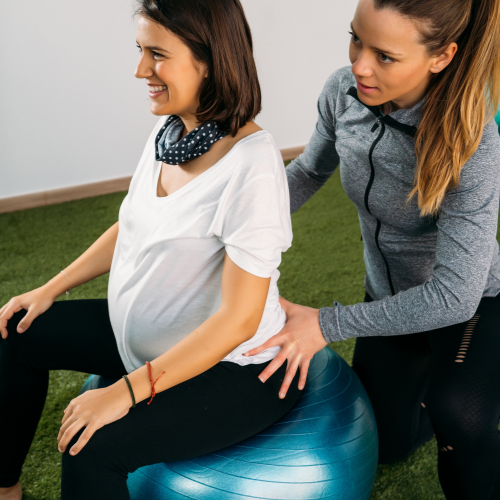
Your exam may also include an external and internal assessment of both your pelvis and pelvic floor.
- An external examination of your pelvis involves observing and feeling the bony landmarks and muscles around your pelvic bones, which can be done through your clothing.
- An internal examination will include the assessment of your pelvic floor muscles for tension, strength and coordination through the vaginal or anal opening.
These assessments serve as an important tool to deepen your understanding of your pelvic health, as well as to help the therapist determine the best treatment for you. All examinations are only performed with your consent and understanding.
Please Note, we do not contract with any insurance providers.
We are a small, fee-for-service center. In order to provide one-to-one, high-quality care, we are out of network with all insurance including Medicare and Medicaid.
We accept Visa and MasterCard — upon booking your appointment, you will be asked to securely enter your credit card information for your convenience. Your card will automatically be charged after your appointment is completed.
Appointments not kept or canceled without 24 hours notice prior to the scheduled appointment time will be charged a $150.00 cancellation fee.
frequently asked questions
What conditions can pelvic health physical therapy treat?
Pelvic floor physical therapy at MTI Physical Therapy in Bellevue, WA helps treat common conditions like bladder leakage, urgency, pelvic pain, pain with intimacy, and postpartum recovery issues. It can also address hip and low back pain that may be connected to pelvic dysfunction. If you’re searching for “pelvic floor therapy near me” or “pelvic pain treatment in Bellevue,” our Pelvic Health & Performance Center provides personalized, one-on-one care to help you feel better and return to your normal activities.
How is pelvic health connected to movement, posture, and overall well-being?
Pelvic health is deeply interconnected with how your body moves, breathes, and manages stress. The pelvis works in coordination with the spine, diaphragm, and core musculature to regulate posture, balance, and efficient movement. Disruptions in sleep, stress, nutrition, or breathing patterns can directly impact pelvic function. A comprehensive pelvic physical therapy approach evaluates the whole person—not just isolated symptoms—to improve physical, psychological, and functional outcomes.
Are Kegel exercises enough to fix pelvic floor problems?
Kegels are not appropriate for everyone and are often performed incorrectly without proper guidance. In some cases, they can worsen symptoms by reinforcing dysfunctional muscle patterns or increasing tension in an already overactive pelvic floor. A trained pelvic health physical therapist can assess whether Kegels are indicated and teach you how to perform them correctly within a broader treatment plan. Effective pelvic rehabilitation typically includes a combination of education, movement retraining, breathing strategies, and individualized exercise.
