

“MOVEMENT IS MEDICINE”
All tissues heal faster with motion. Rest and immobilization can stiffen tissues, increase pain levels and can add to protective muscle guarding. Movement is medicine, providing cellular stimulation for healing, lubricating tissues, providing nutrition, and reducing pain. Tissues like tendons, ligaments, cartilage, bone, and even spinal discs, respond to stress and strain forces, becoming stronger and more elastic. The trick is to know how much movement and how to do this safely. Tissue training often involves short exercise sessions, less than 15 minutes, multiple times a day, rather than one heavy exercise session more focused on muscle performance. Physical Therapists are the experts in therapeutic exercise for design and dosage for these issues. Personal trainers and exercise instructors are not trained in this type of exercise, often trying to perform rehabilitation with general exercise dosed at too high a level.
Is it safe to exercise my injured area?
More often than not, gentle, pain-free movement of the injured area will result in faster healing. Your therapist will carefully assess the extent of your injury and prescribe appropriate exercise. Sometimes this can require specialized equipment designed for rehabilitation, different from regular exercise equipment. Often we can design and dose simple movements that can be performed safely at home for daily tissue training.
How do I know if I am doing too much?
Our bodies tell us if we are doing too much by signaling pain. We can design exercises that are safe and pain free. Sometimes there is a several-hour delay in inflammation, with an increase in tissue temperature around the area and/or a dull aching pain. In this case, the dosage for the exercises need to be modified to avoid these signs and symptoms. A more minor sign of doing too much is an elevation in protective muscle guarding. Your therapist can assist you in designing and dosing your exercises, as well as establishing the appropriate rest and recovery times between therapeutic exercise sessions.
How can I cheat?
Want to get better faster? The use of Blood Flow Restriction is a great way to train at a very low level when you are injured by tricking the body into releasing hormones as if you did heavy weight training for an hour. This biochemical cheat is a great way to build up strength and speed up the healing process when you are not able to train at a high level.
WE WROTE THE BOOK ON THIS STUFF
Tissue training is just the foundational start to returning from an injury. Progressions of therapeutic exercising include training for pain reduction, joint mobility, range of motion, neural mobility, reducing inflammation, normalizing motor control, and coordination. These are the foundations of therapeutic exercise. Training these tissues allows you to return to normal exercise for endurance, strength, power and performance. Therapeutic exercise design and dosage is very different from general exercise and requires the advanced training of a physical therapist.
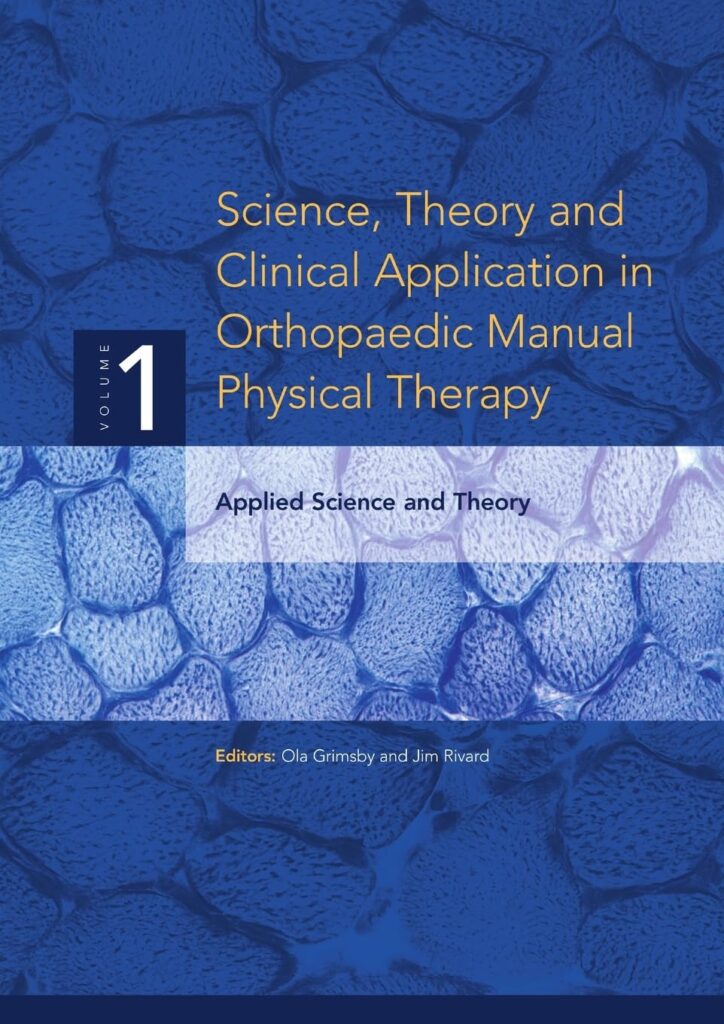
MTIPT’s founder, Jim Rivard, wrote the books on this stuff used by physical therapists all over the world to improve their rehabilitation skills. Physical therapists can obtain these textbooks on Scientific Therapeutic Exercise Progression (STEP) through Amazon or Lulu.com.


MTI Physical Therapy has clinics in Bellevue, Edmonds and Seattle, WA in the Magnolia, Fremont and First Hill neighborhoods. We offer Tissue Training and Blood Flow Restriction Training as a self-pay service and payment is collected at the time of service. Contact at your closest MTI Physical Therapy clinic to schedule an appointment with one of our highly trained physical therapists today!